Field engineering
What does an IT field engineer do? Lessons from 18 years on site
From bank branches to call centers, here’s what an IT field engineer actually does, and what 18 years of on-site projects have taught me.
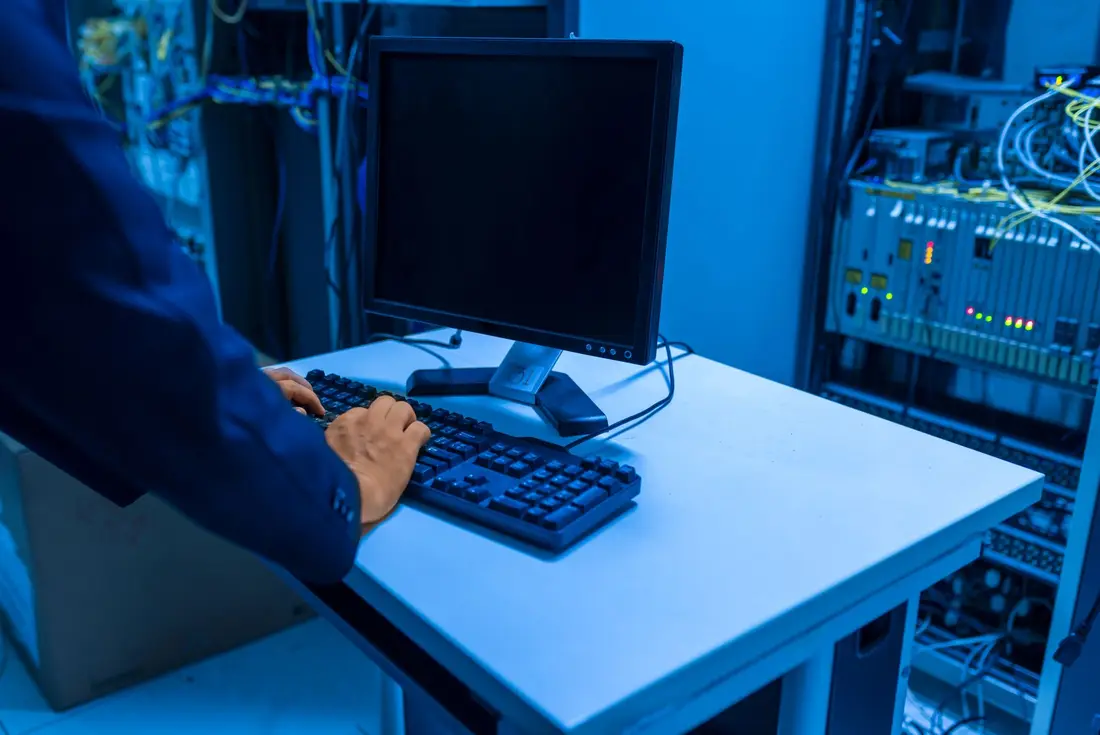
When a company needs hundreds of computers upgraded, a whole network replaced or every PC moved to a new version of Windows, someone has to be there in person to do the work. That someone is an IT field engineer. I’ve done this work for 18 years, and here’s what it really involves.
The short answer
An IT field engineer, sometimes called a field technician, is the hands-on technician who goes on site to install, upgrade, repair and deploy technology. Help desks fix problems over the phone. Field engineers are the people who show up, open the machines, run the cables and make sure everything works before they leave.
What the work looks like
- PC refreshes: replacing old computers with new ones and moving each user over with their files and settings.
- Operating system migrations: moving whole organizations to a new version of Windows. I’ve worked on SunTrust’s moves from Windows XP to 7 and later from 7 to 10.
- Hardware upgrades: for one call center I upgraded the memory in 672 PCs in five months, in 20-minute sessions so the phones kept ringing.
- Network deployments: installing and upgrading the network equipment and servers that everything runs on.
- Multi-site rollouts: taking the same deployment from location to location, as on the Cummins Meritor laptop and desktop update.
What 18 years have taught me
1. Timing is everything
Most field work happens in live environments: bank branches open to customers, call centers taking calls, offices full of people trying to work. The job is to upgrade everything without getting in anyone’s way. That means short, planned work windows and being exactly where you said you’d be.
2. Communication matters as much as skill
Clients want to know what’s done, what’s next and whether anything went wrong. Keeping them updated directly builds the kind of trust that brings you back for the next project.
3. Leave it better than you found it
While a machine is open, clean it out. While you’re at a desk, make sure the printer works too. Little extras like these are what clients remember.
4. Troubleshooting is the real skill
Every rollout has surprises: a machine that won’t image, a network port that’s dead, a program nobody mentioned. Knowing every phase of computer systems is what lets you fix it on the spot instead of holding up the whole schedule.
Need a field engineer?
I’m based in Mountain City, Tennessee, and available for field engineering and IT project work. See the projects I’ve delivered or get in touch.